
Books, workshops and advisory
Knowledge is only worth what you can do with it
We publish the book we wish we had been handed: for the founder signing the incorporation papers, the manager who has just inherited a team, the family moving to a country whose rules nobody explained. Then we stay - because the distance between reading a chapter and doing the thing is where most good intentions quietly die.
How this works
Read it, then actually do it
-
The books
Written by people who file the paperwork themselves, not summarised from other people's summaries. Each chapter ends where a decision begins.
-
The workshops
A book can explain the choice. A room full of people working through their own version of it is what makes the choice stick.
-
The support
When the situation stops matching the page - and it will - you get a second pair of eyes on your actual case, not a generic answer.

The practitioners
The people who wrote them
Practitioners first, authors second. Each one still does the work their book describes.



Field notes
Latest thinking
-
Five Steps That Turn Failure Into a Plan
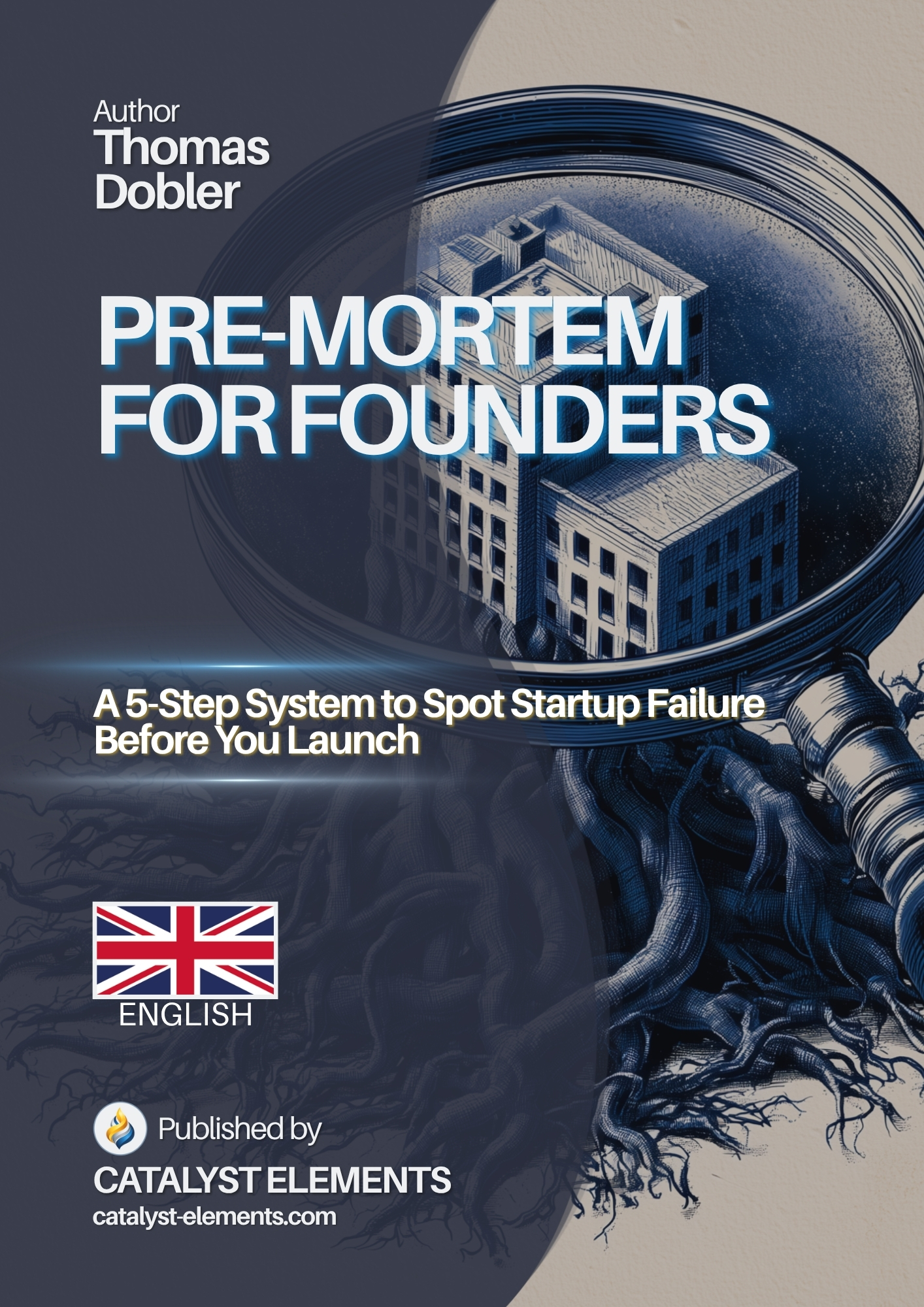
This piece names the five stages founders move through to convert an assumed failure into a stronger plan, without walking through how any single stage is actually run.
-
The First Midjourney Image Is a Draft, Not a Decision
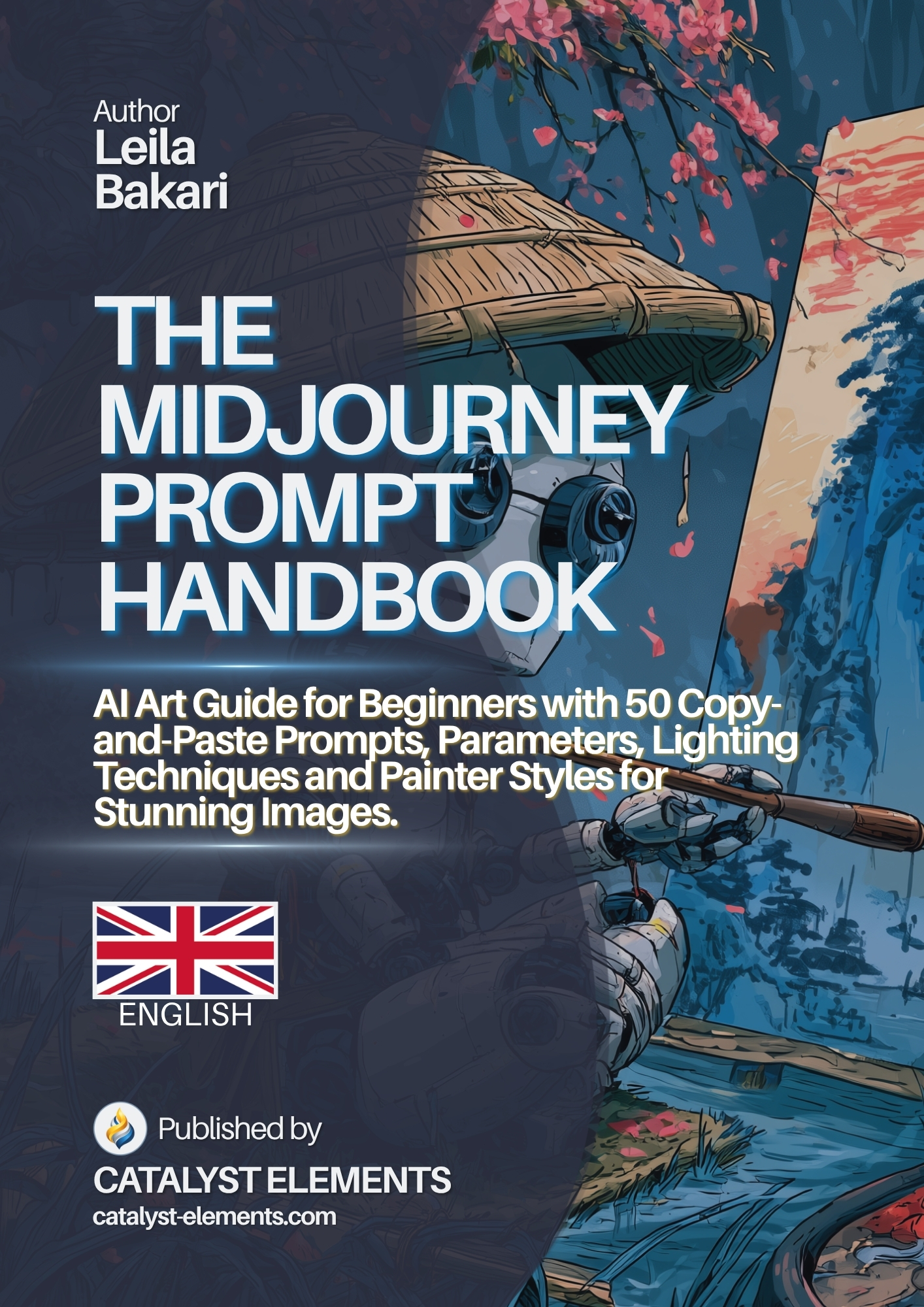
The first grid Midjourney gives you is a set of drafts, not a verdict. A warm look at why deciding later changes everything you make.
-
Why the Same Review Works Harder in One Spot Than Another
A five-star review can do far more persuasive work in one position on a page than the exact same review placed somewhere else. This article looks at why — without giving away the full mechanism.
-
Why Assuming Failure Beats Predicting It
This piece settles why asking "will this work?" produces weaker answers than asking a founder to assume it already failed, and unpacks the psychology behind that gap.
-
Your Biggest Worry Rarely Kills Your Startup
This piece settles one counterintuitive finding from the field: the risk a founder names first is almost never the one that actually ends the plan.